
Oluwole Omofemi
Overview
Oluwole Omofemi, born Godwin Oluwole Omofemi, was born in the ancient city of Ibadan. He shared his early life with his grandfather who was a major influence. Nostalgically, Omofemi’s childhood experiences in the inner streets of Ibadan shaped his artist vision. However, he spent part of his childhood in Edo state of Nigeria. The hustle of the Ibadan metropolis, especially the popular Dugbe Market, imbued him with creative impulses. Tope Fatunbi was the first professional artist who helped clear the path for Omofemi’s artistic career.
Omofemi’s strength as an artist lies in showcasing human figures; and this is a skill he has steadily honed on the professional turf. His chosen media are oil and acrylic with preference for oil. Omofemi’s first exhibition was at the National Museum, Ibadan, Nigeria. He has since exhibited internationally. Omofemi’s mind continues to resonate with childhood experiences that proved material for his arts. He received his Higher National Diploma from the Polytechnic of Ibadan.
Omofemi has always wanted to deploy art to better the lot of the underprivileged, to showcase African fashion and feminine charm, and to bring about the rediscovery of afrocentric pride. His works are widely collected in Nigeria and abroad.
Works
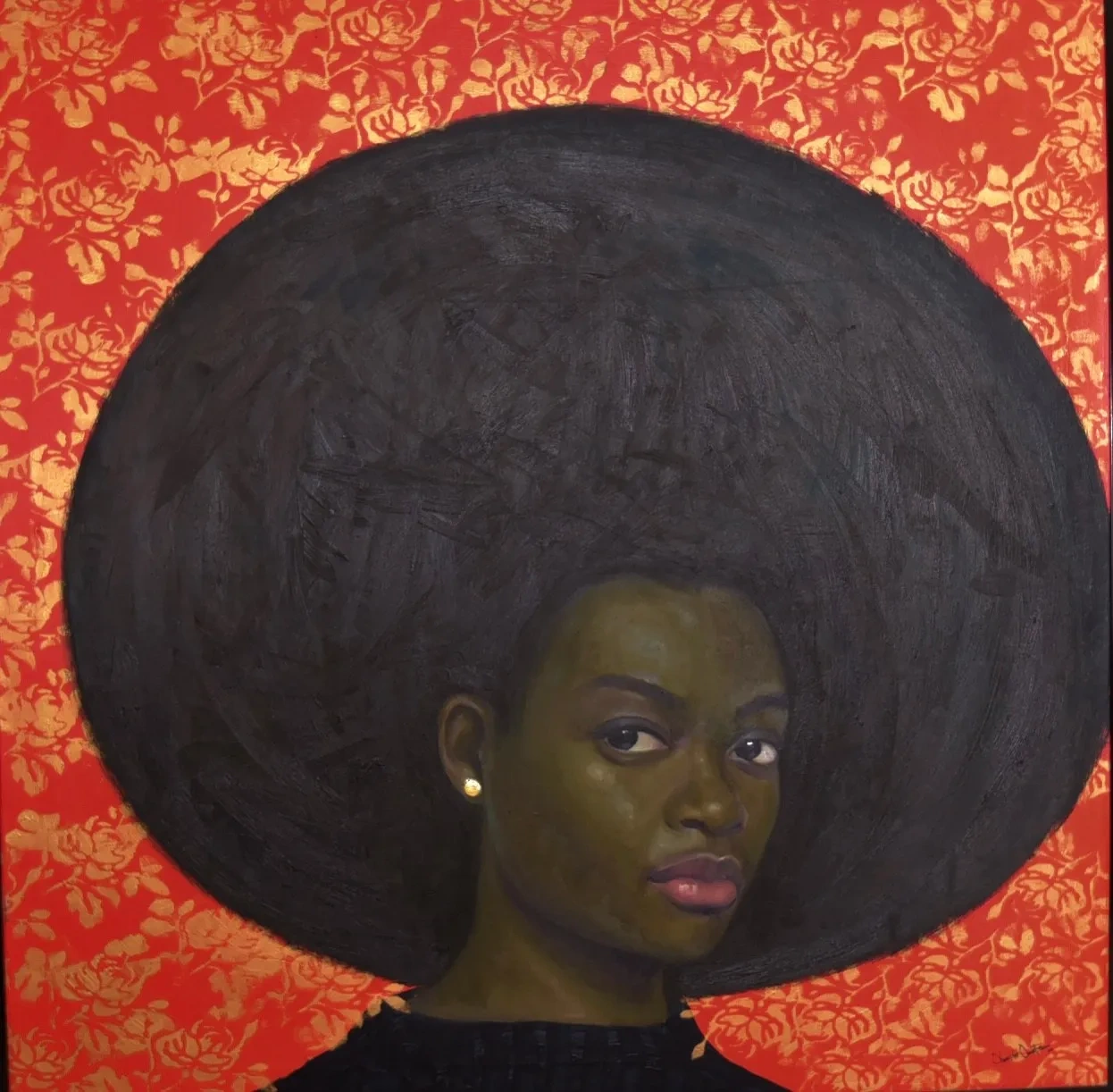
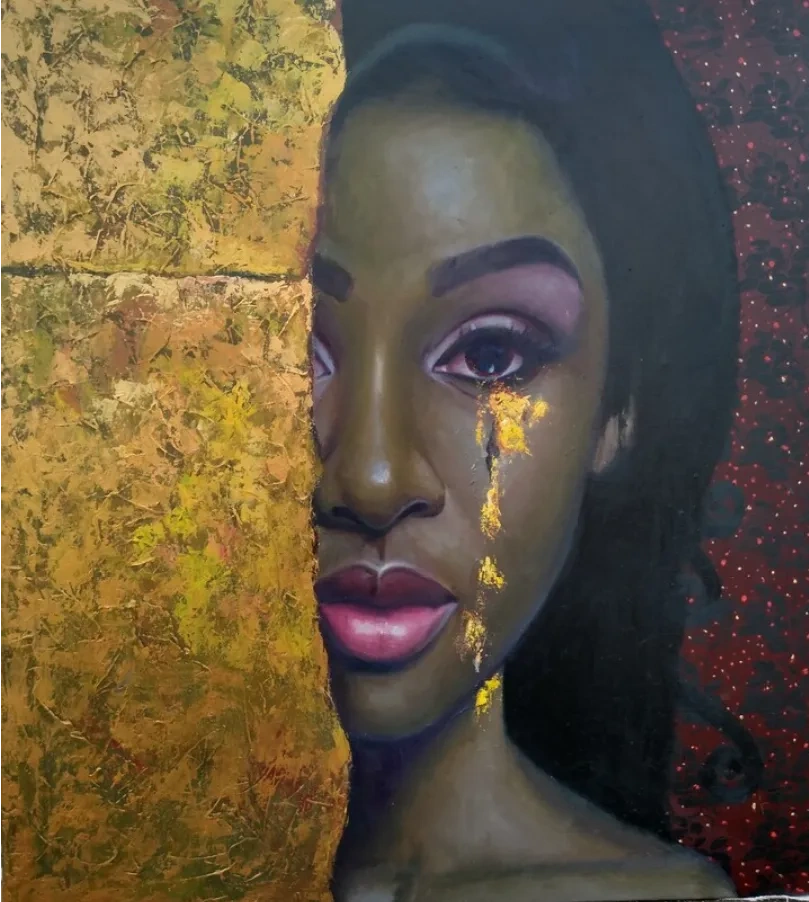
Press
Why Investing in Contemporary Black Art Is a Smart—and Powerful—Move
Hadadi Fine Art, May 5, 2025
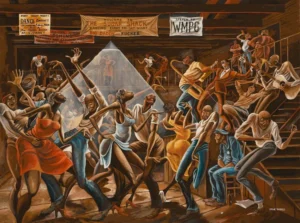
Ernie Barnes’ iconic painting The Sugar Shack shattered expectations at Christie’s in May 2022, selling for an astonishing $15.3 million—nearly 80 times its high estimate of $200,000.
Why Investing in Contemporary Black Art Is a Smart—and Powerful—Move
In recent years, the art world has seen a powerful shift. Contemporary Black artists are finally gaining the attention and acclaim they’ve long deserved, and collectors, curators, and investors are taking notice. From auction houses to major museums, the demand for work by Black artists is growing rapidly. But beyond the headlines, there are meaningful reasons—both financial and cultural—why investing in contemporary Black art is not only smart, but essential.
Cultural Relevance and Historical Significance
Contemporary Black artists are at the forefront of shaping cultural narratives, exploring themes of identity, resistance, heritage, and joy through powerful visual storytelling. Investing in these artists means supporting the preservation and expansion of Black voices in the art historical canon. It’s not just an acquisition—it’s a contribution to cultural history.
Artists like Kerry James Marshall, Kehinde Wiley, and Njideka Akunyili Crosby have already reshaped contemporary art discourse. Meanwhile, a new generation of artists—such as Amoako Boafo, Bisa Butler, and Tschabalala Self—is gaining rapid international recognition. Their work reflects and critiques the complexities of modern society, often challenging long-standing norms in the art world itself.
Strong Market Performance
The market for Black contemporary art is growing. Major auction houses like Sotheby’s and Christie’s have launched dedicated sales and departments focused on Black artists, and prices have consistently outperformed estimates. According to a 2022 Art Basel & UBS Art Market report, works by Black artists have seen a significant rise in demand, especially among millennial and Gen Z collectors.
This growing collector base isn’t driven only by trends, but by a deeper understanding that this art holds lasting value. As institutions diversify their collections and more curators champion these artists, the visibility and resale value of their work continue to rise.
Underrepresentation Means Opportunity
Although awareness is growing, Black artists are still vastly underrepresented in major collections and museums. This presents a unique investment opportunity: collectors can support talented artists early in their careers while helping correct historical imbalances.
Smart collectors know that acquiring work from emerging or mid-career Black artists now—before they reach international stardom—can result in both cultural and financial rewards. But it also requires intentionality: research, connection, and an eye for authentic voices.
Ethical Collecting and Community Impact
Investing in Black art is also about equity and impact. By supporting Black artists directly—especially through galleries that prioritize fair representation—collectors help build more inclusive and sustainable art ecosystems. Many artists also use their platforms to invest back into their communities, creating spaces for mentorship, collaboration, and education.
Collectors today are increasingly driven by values. Buying art isn’t just about decorating walls—it’s about aligning with a mission and contributing to a legacy. Supporting Black artists means championing creativity, resilience, and innovation in ways that transcend the market.
Emotional and Aesthetic Value
Finally, the work itself is stunning. Bold, experimental, moving—contemporary Black art often brings new forms, color, texture, and storytelling that challenge and excite the senses. These pieces aren’t just investments in a portfolio—they are investments in beauty, meaning, and inspiration for generations to come.
Record-Breaking Sales Highlight Market Momentum
Ernie Barnes’ iconic painting The Sugar Shack shattered expectations at Christie’s in May 2022, selling for an astonishing $15.3 million—nearly 80 times its high estimate of $200,000. This sale not only set a new auction record for Barnes but also underscored the surging demand and appreciation for contemporary Black art.
The painting, celebrated for its vibrant depiction of Black joy and culture, gained widespread recognition through its appearance on the cover of Marvin Gaye’s 1976 album I Want You and in the credits of the 1970s sitcom Good Times. Its sale attracted 22 bidders and concluded in a spirited bidding war, ultimately won by Houston-based energy trader and poker player Bill Perkins.
This landmark event highlights the growing recognition and valuation of Black artists in the art market, reflecting a broader shift towards inclusivity and appreciation of diverse cultural narratives.
In recent years, several Black artists have achieved remarkable auction results:
- Julie Mehretu, an Ethiopian-born artist, set a new auction record for an African-born artist when her 2001 diptych sold for over $9.3 million at Sotheby’s Hong Kong in October 2023.
- Kerry James Marshall‘s painting Past Times (1997) sold for $21.1 million at Sotheby’s in 2018, quadrupling his previous auction record and underscoring the growing demand for his work.
- Njideka Akunyili Crosby‘s Bush Babies (2017) fetched $3.3 million at Sotheby’s, reflecting the high demand for her limited-availability works.
These sales not only highlight individual achievements but also signify a broader shift in the art market’s recognition of Black artists’ contributions.
Cultural Significance Driving Demand
The increasing interest in contemporary Black art is fueled by a growing acknowledgment of its cultural and historical importance. Exhibitions like “Soul of a Nation: Art in the Age of Black Power” have brought attention to the profound narratives and aesthetic innovations present in Black art. Collectors are drawn to works that offer rich storytelling and challenge traditional art historical narratives.
Investment Opportunities and Market Growth
The art market’s expansion presents significant opportunities for investors:
- Emerging Artists: Artists like Amoako Boafo and Tschabalala Self are gaining international recognition, with their works appreciating rapidly in value.
- Institutional Support: Museums and galleries are increasingly acquiring works by Black artists, further validating their market presence and potential for long-term value growth.
- Diverse Collector Base: A new generation of collectors is actively seeking to diversify their collections, focusing on underrepresented artists and narratives.
In Conclusion
Investing in contemporary Black art is more than a financial decision—it’s a cultural commitment. It’s an opportunity to be part of a movement that celebrates Black creativity, challenges historical injustices, and redefines what collecting can mean. As the art world becomes more global, more inclusive, and more future-facing, those who invest in Black artists now will be remembered not only as savvy collectors—but as agents of meaningful change.
The contemporary Black art market is experiencing an unprecedented surge, with recent auctions setting record-breaking prices and signaling a transformative moment in art history. Collectors, institutions, and investors are increasingly recognizing the cultural and financial value of works by Black artists, leading to a dynamic and rapidly evolving market landscape.
Exhibitions
Celebrating African Artistry: A Showcase of Established and Emerging Talents
Celebrating African Art
September 24 – November 5, 2024
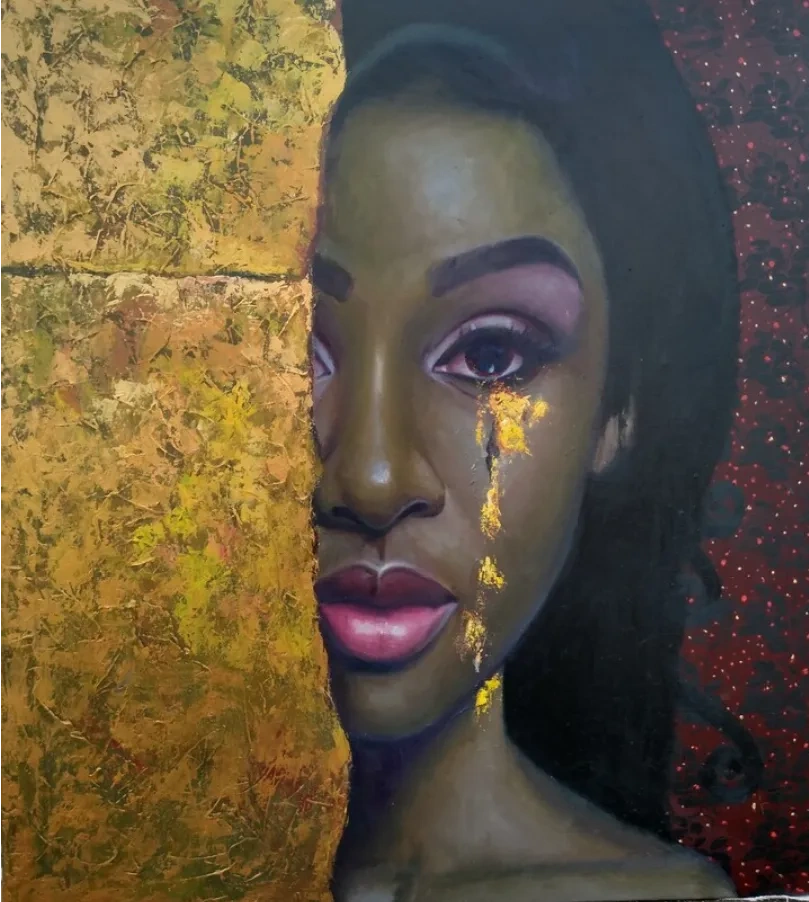
Oluwole Omofemi
I see it , 2020
Oil and acrylic on canvas.
100×100 cm
Join us in celebrating the beauty, diversity, and power of African art. This exhibition is a must-see for art enthusiasts and those seeking to deepen their understanding of the rich artistic traditions of the African continent.
The Hadadi Fine Art is proud to present a groundbreaking exhibition showcasing the vibrant and diverse works of African artists. This curated collection brings together established and emerging talents, offering a unique opportunity to explore the rich tapestry of African art.
From traditional techniques to contemporary interpretations, the exhibition features a wide range of mediums including painting and mixed media. Visitors will be captivated by the expressive styles, bold colors, and thought-provoking themes that characterize African art.
The exhibition highlights the contributions of renowned African artists who have shaped the global art scene, as well as emerging artists who are pushing the boundaries of creativity. Their works offer a glimpse into the cultural heritage, social issues, and personal narratives that define the African experience.
Works
Celebrating African Artistry: A Showcase of Established and Emerging Talents
Celebrating African Art
September 24 – November 5, 202
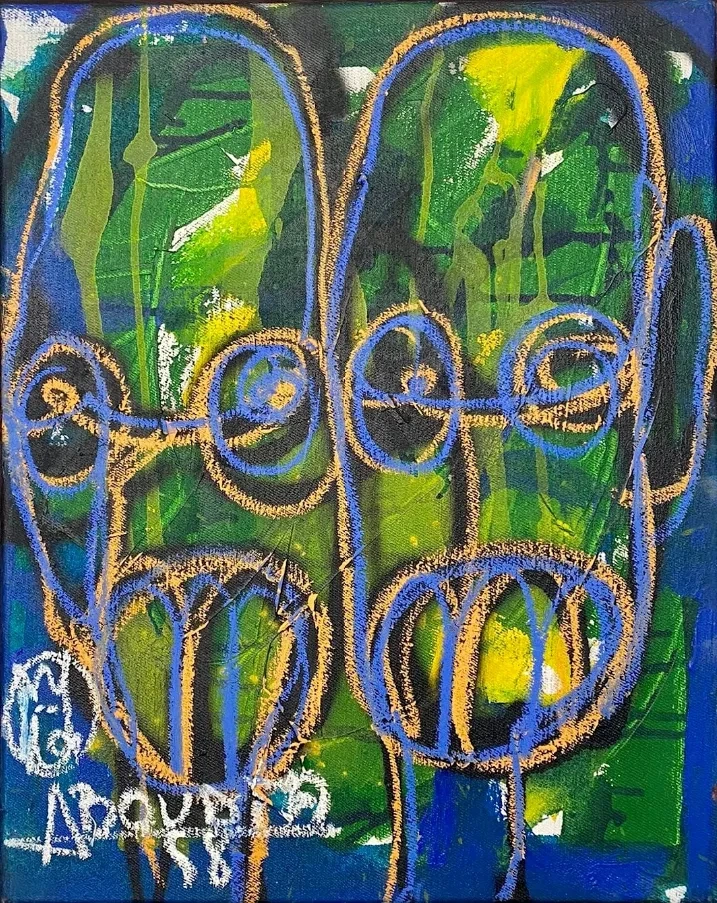
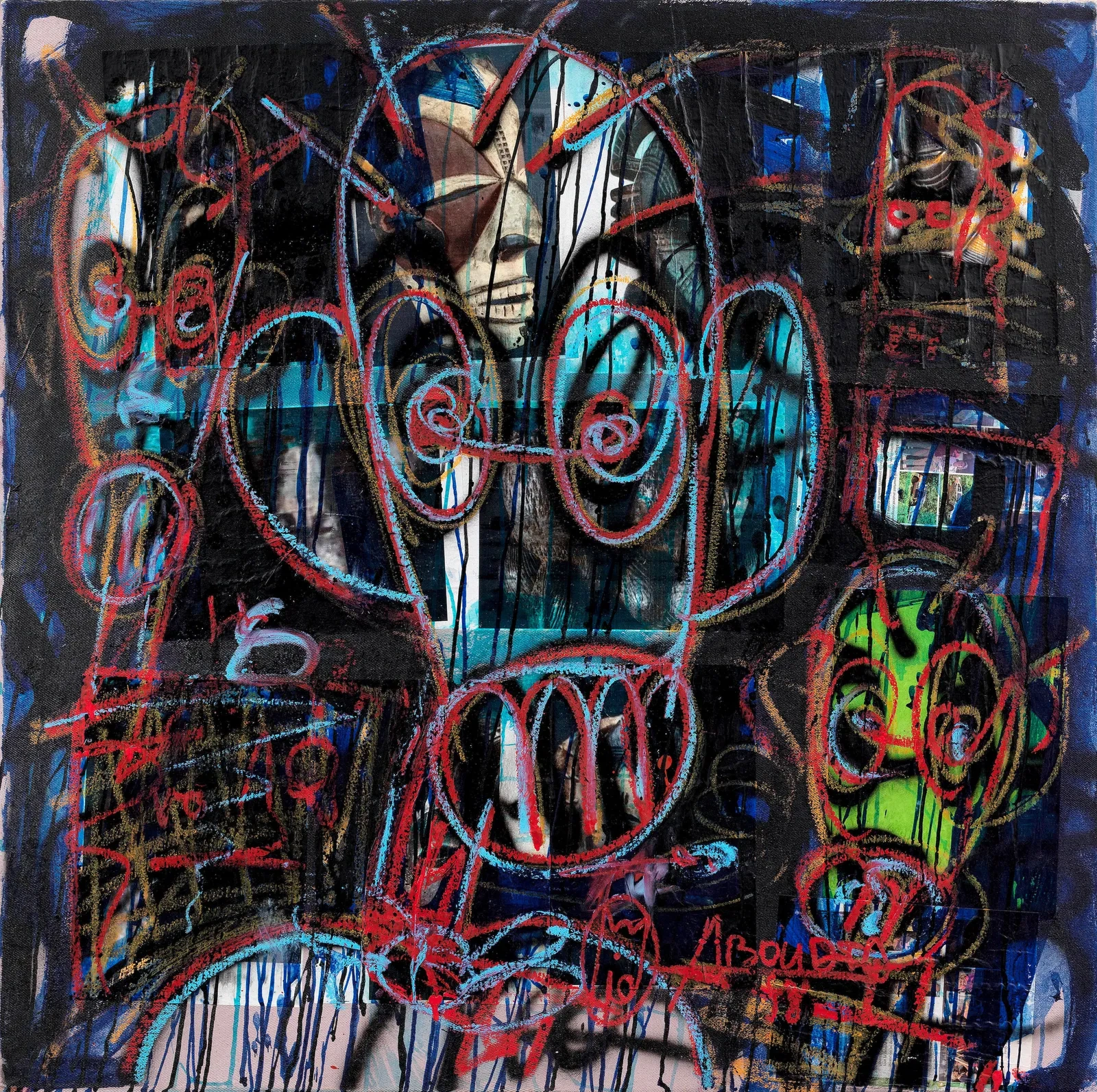
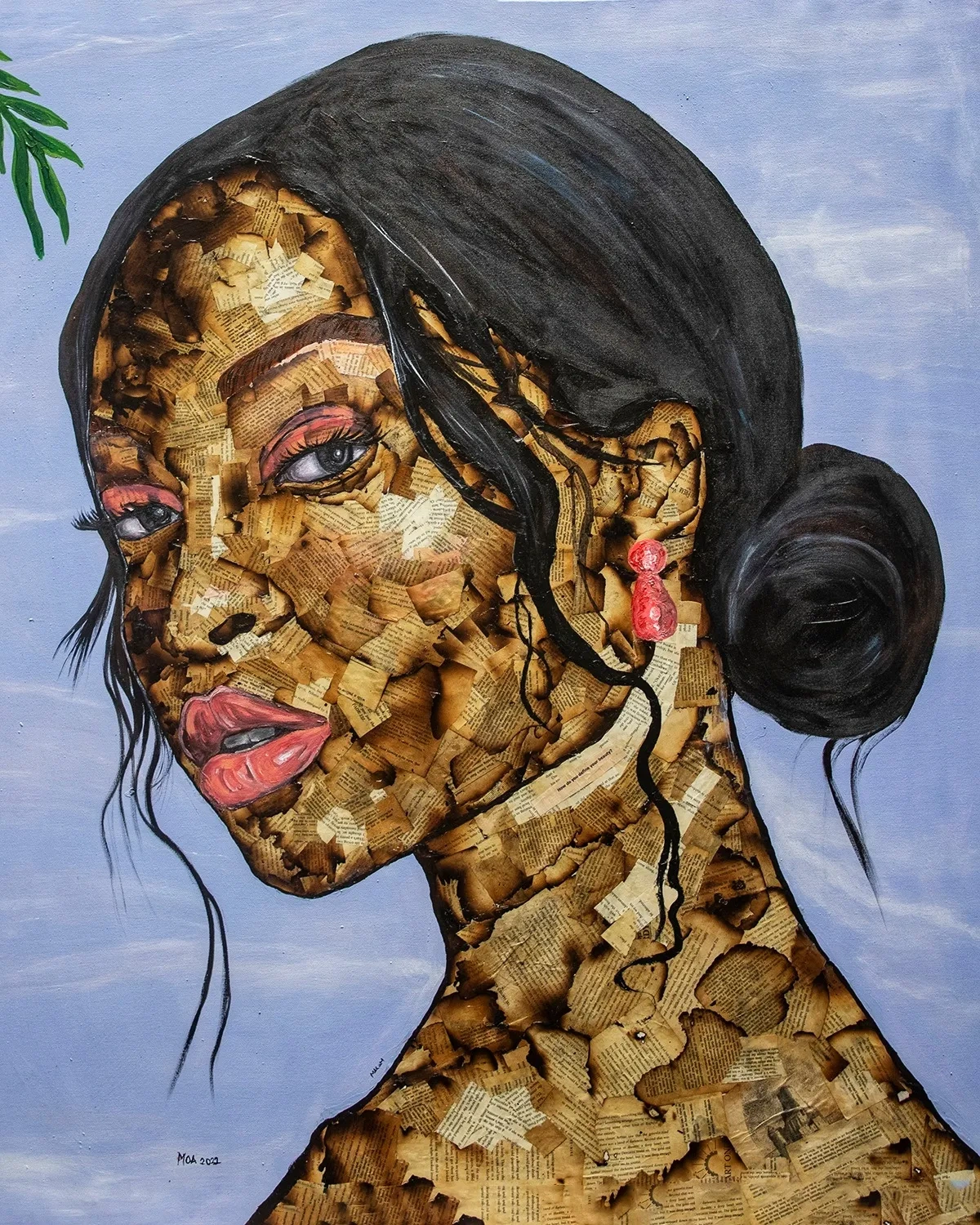
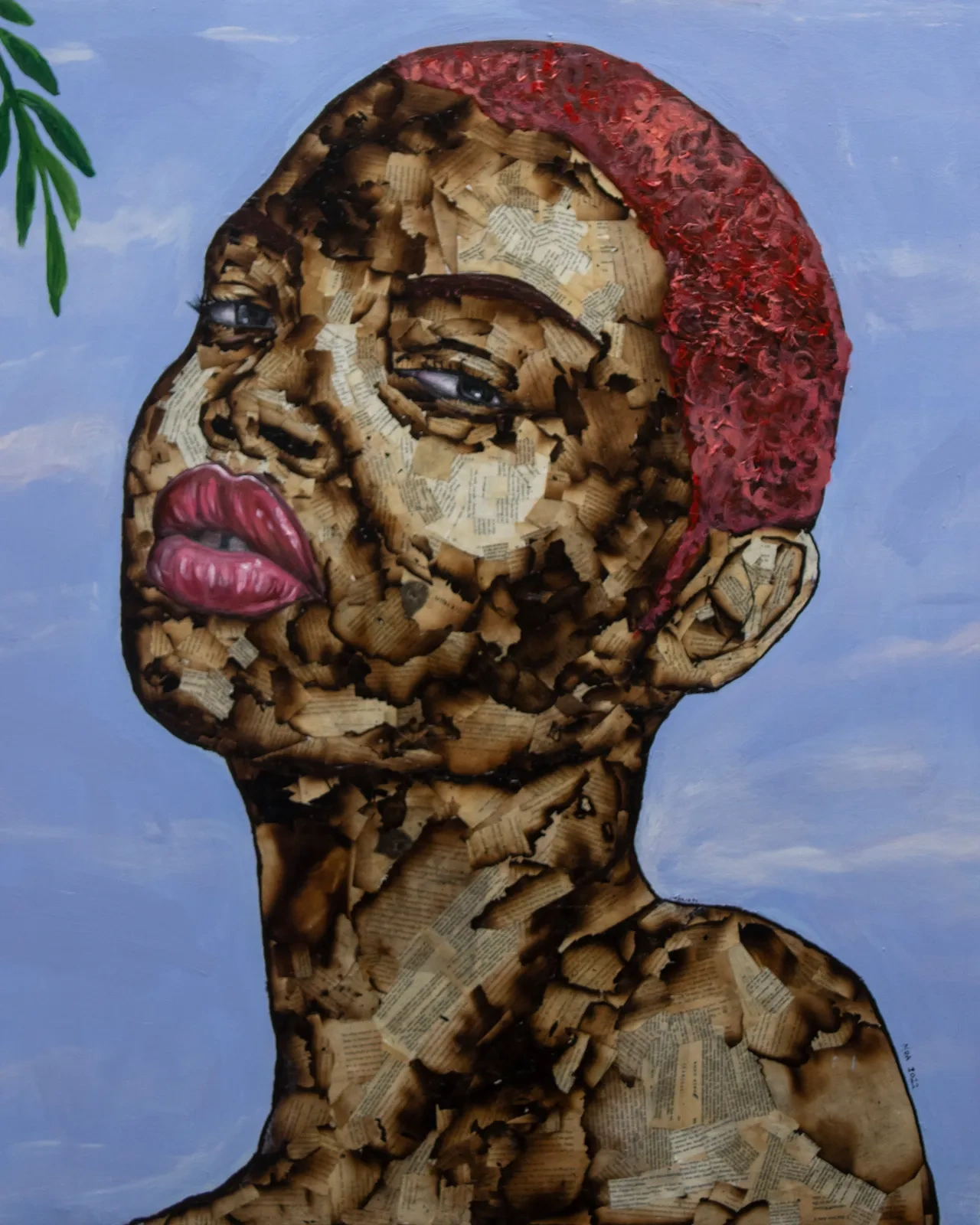
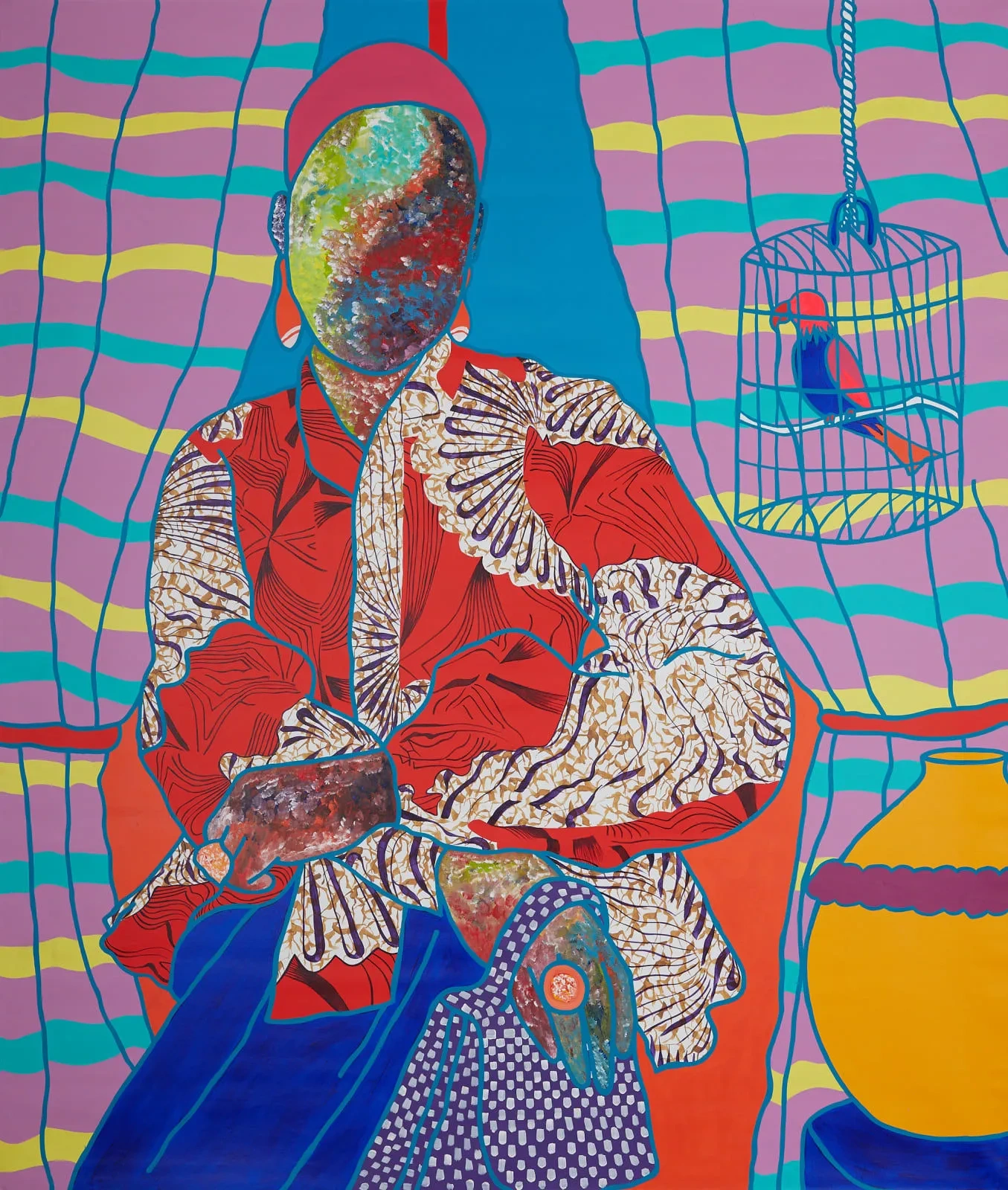
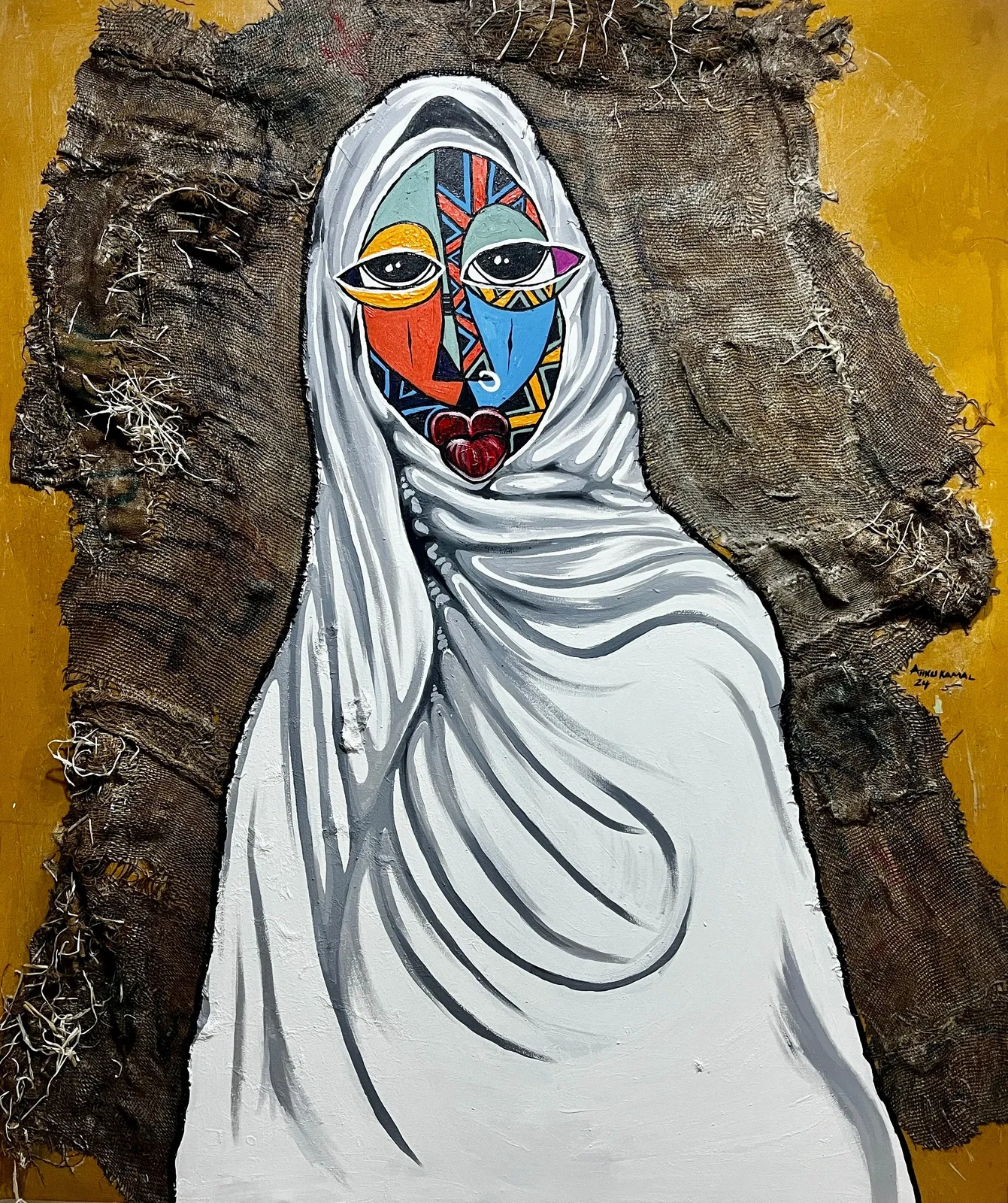
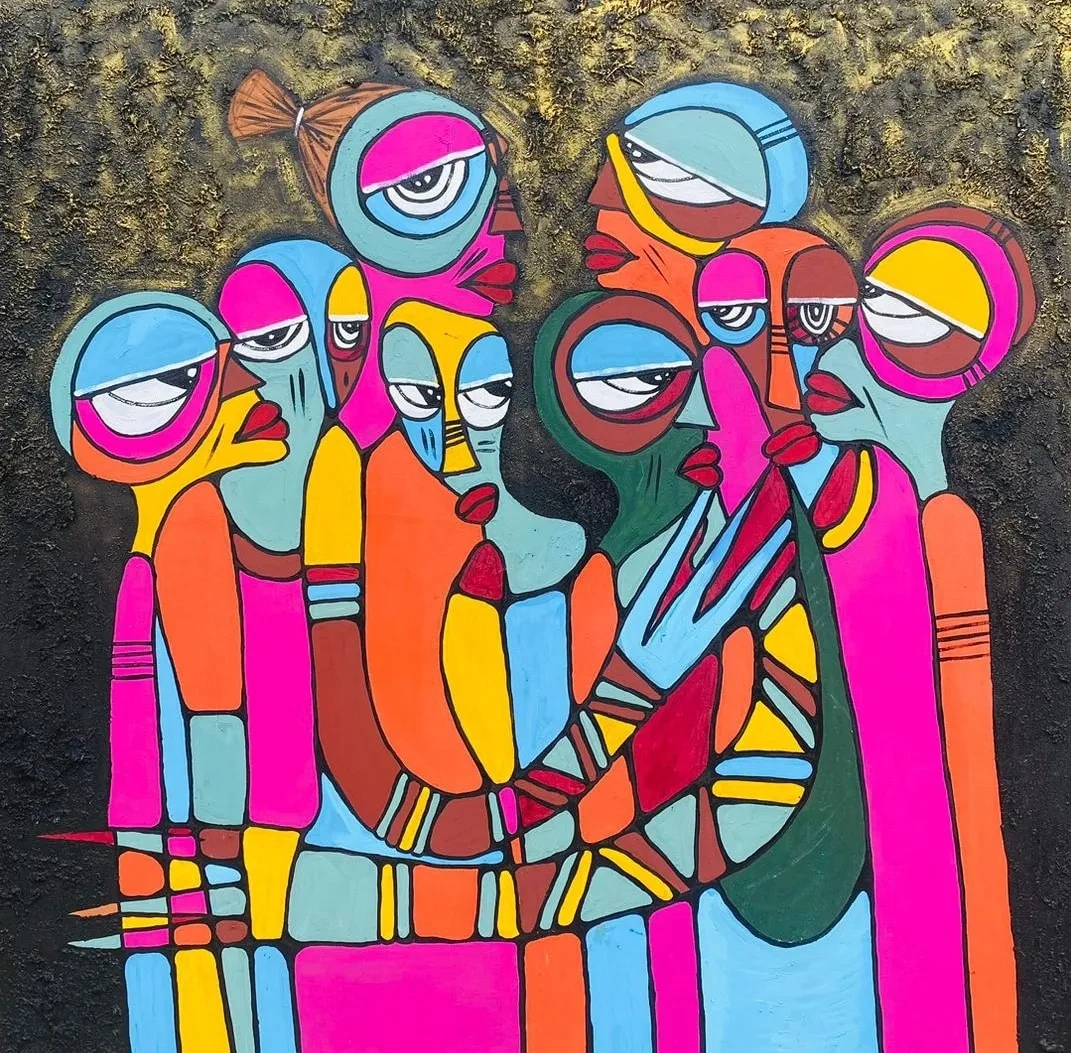
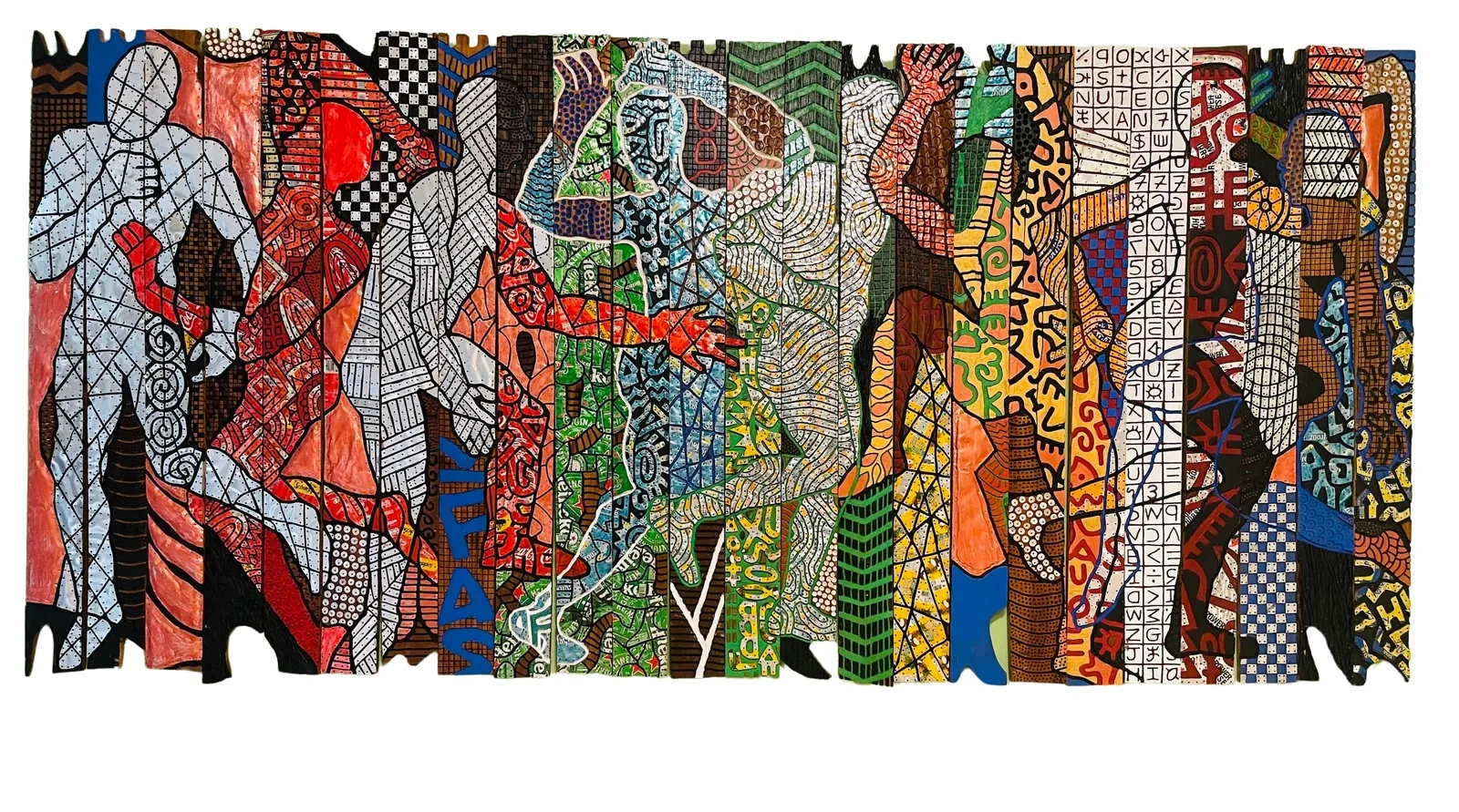
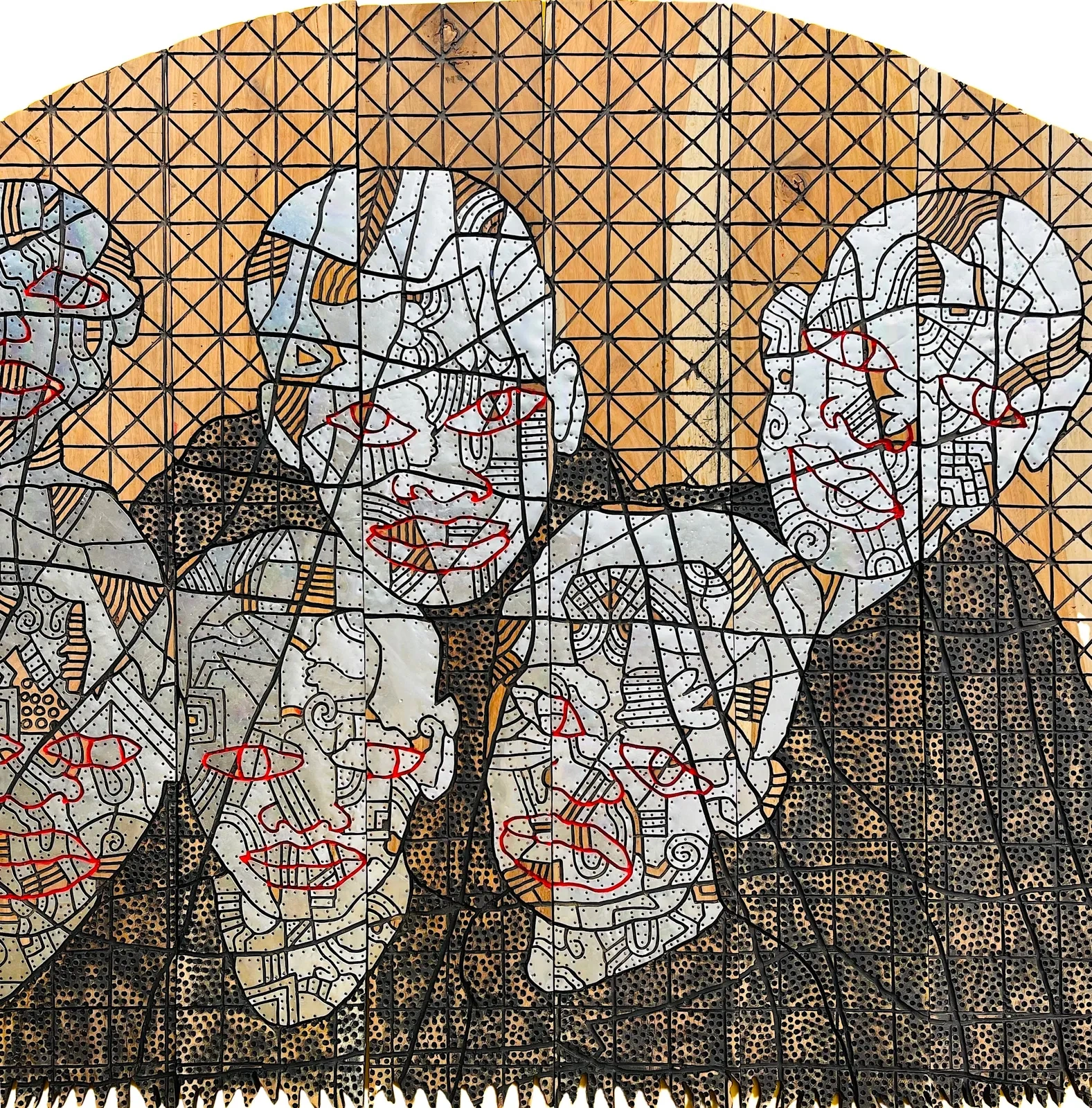
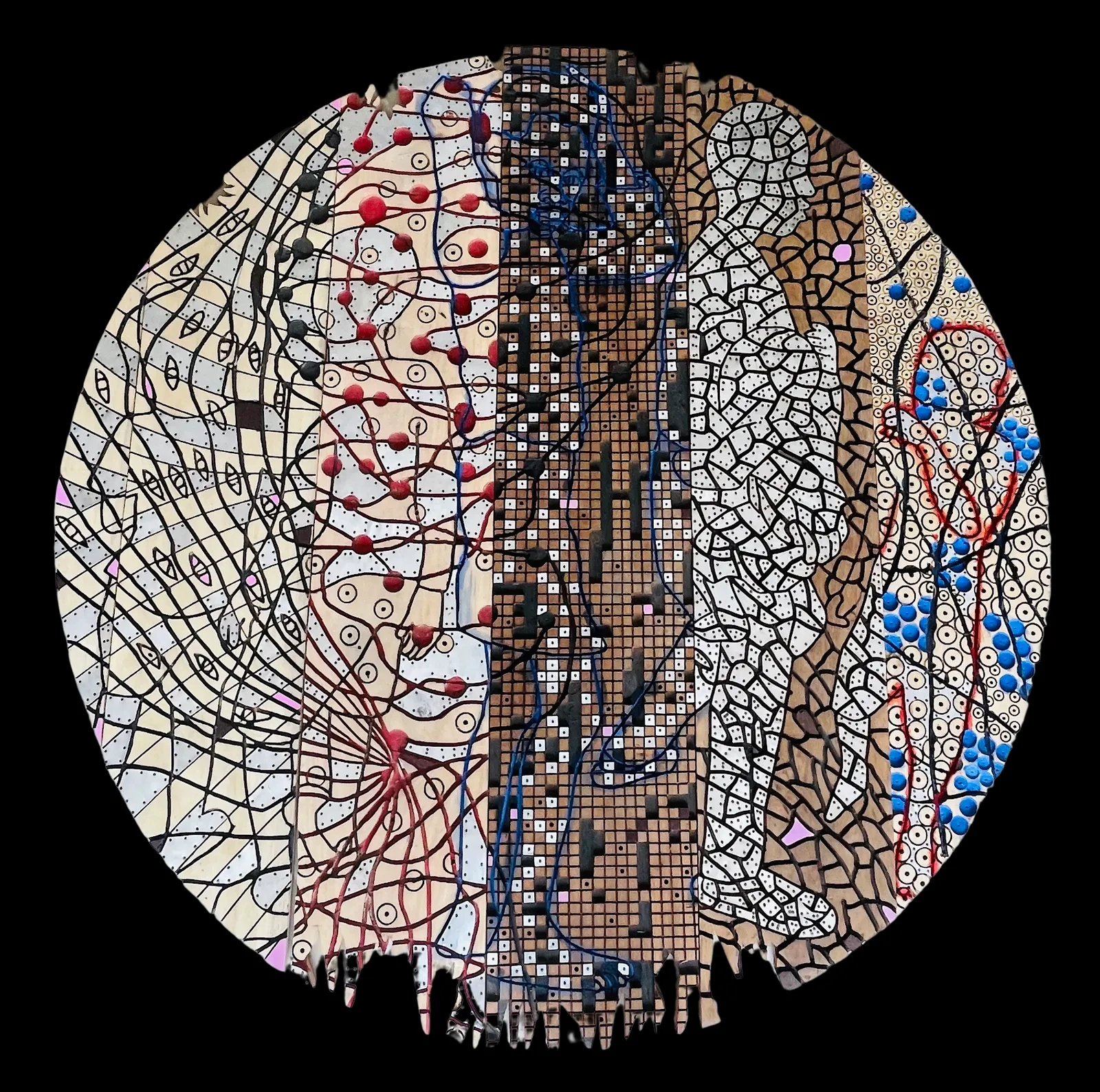
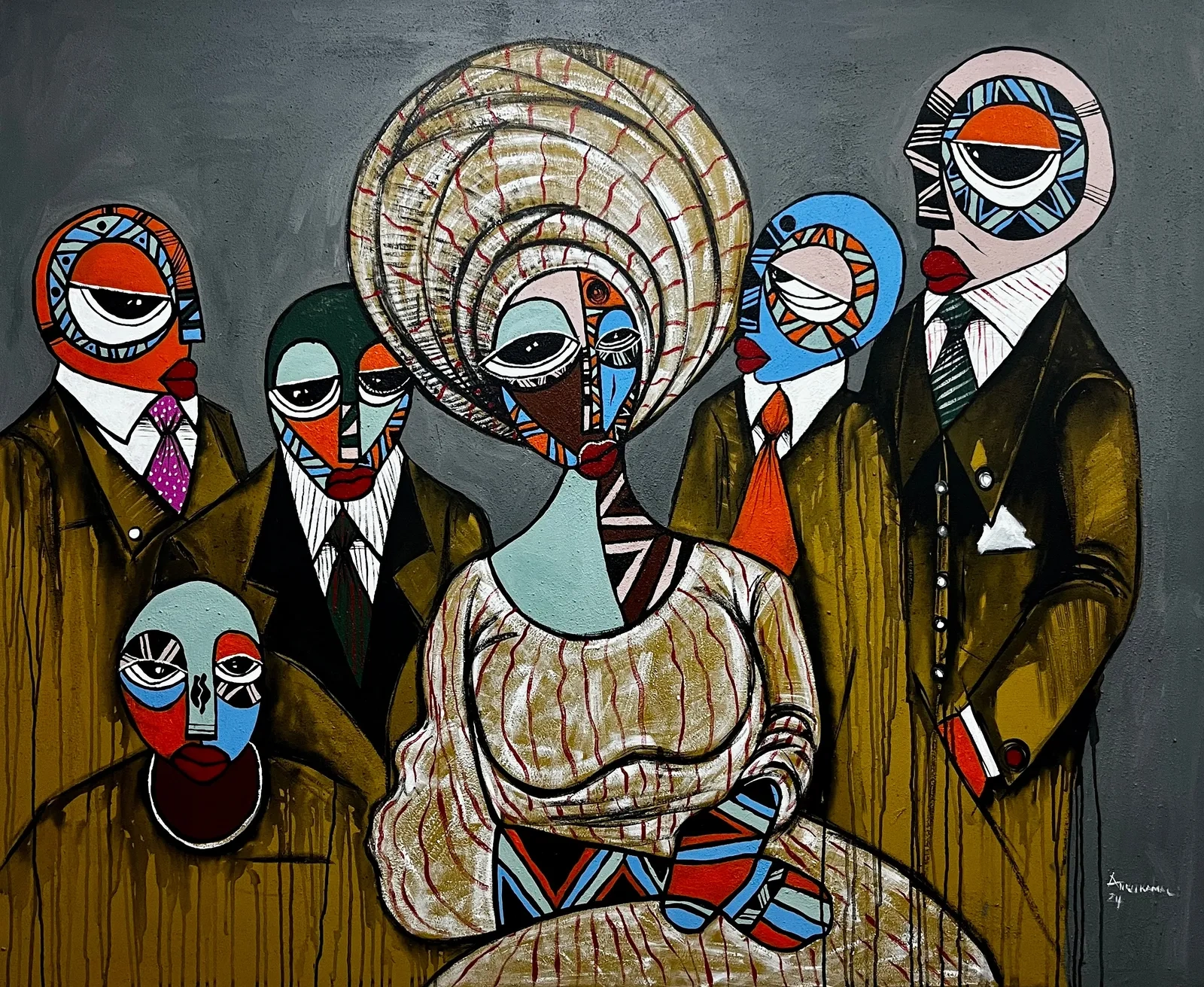
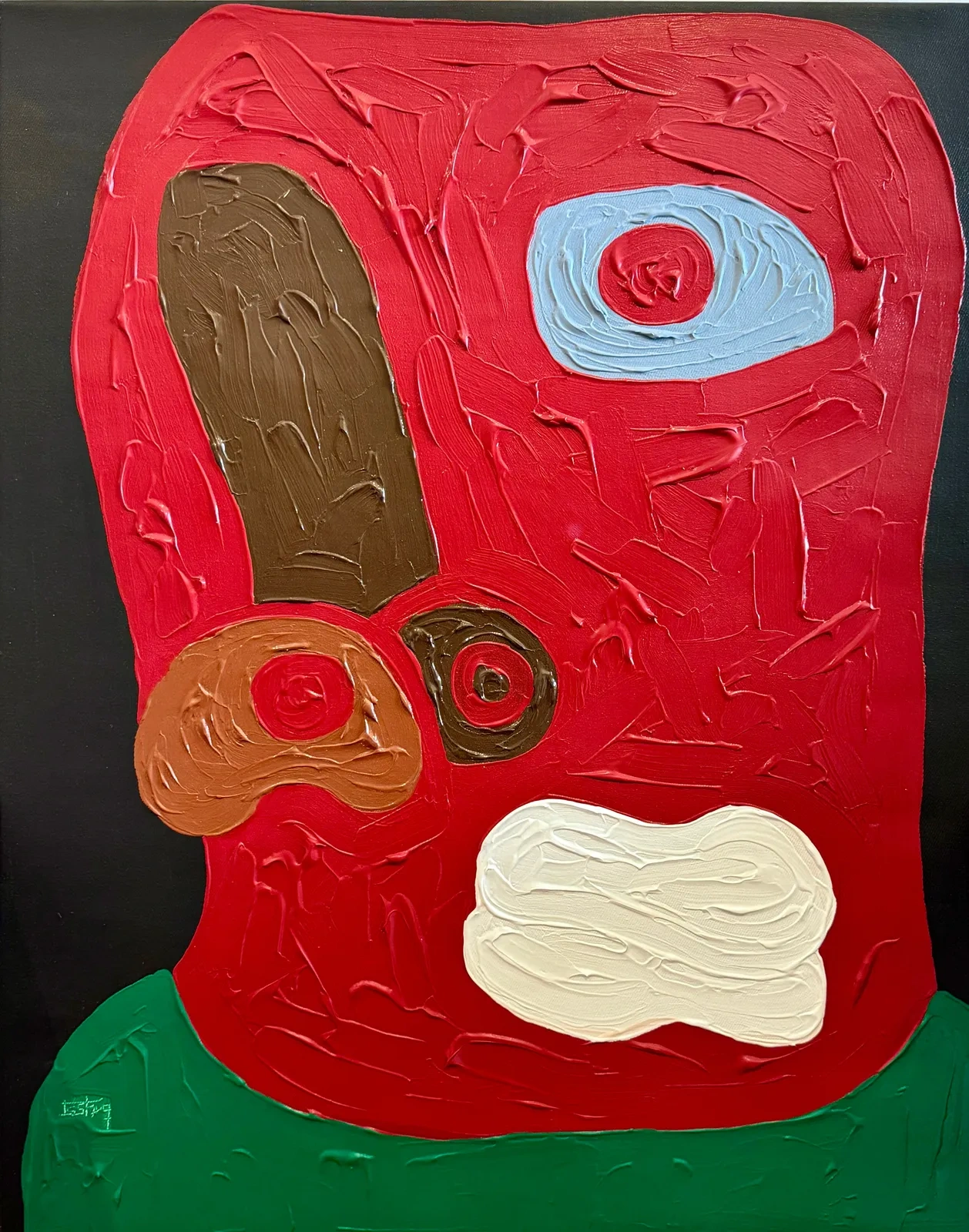
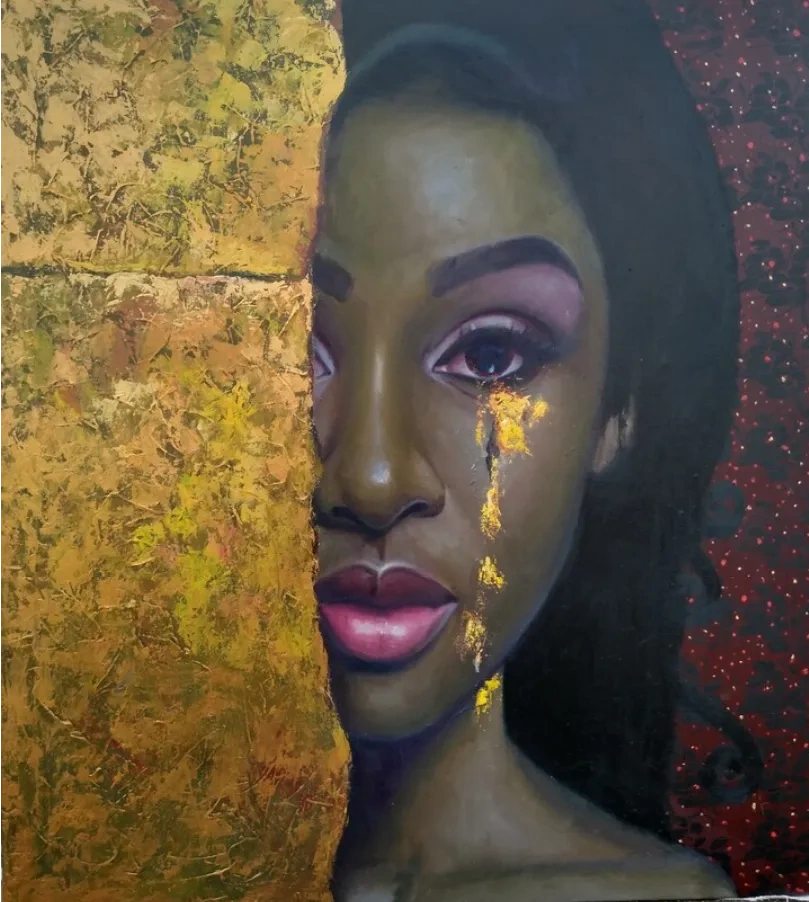
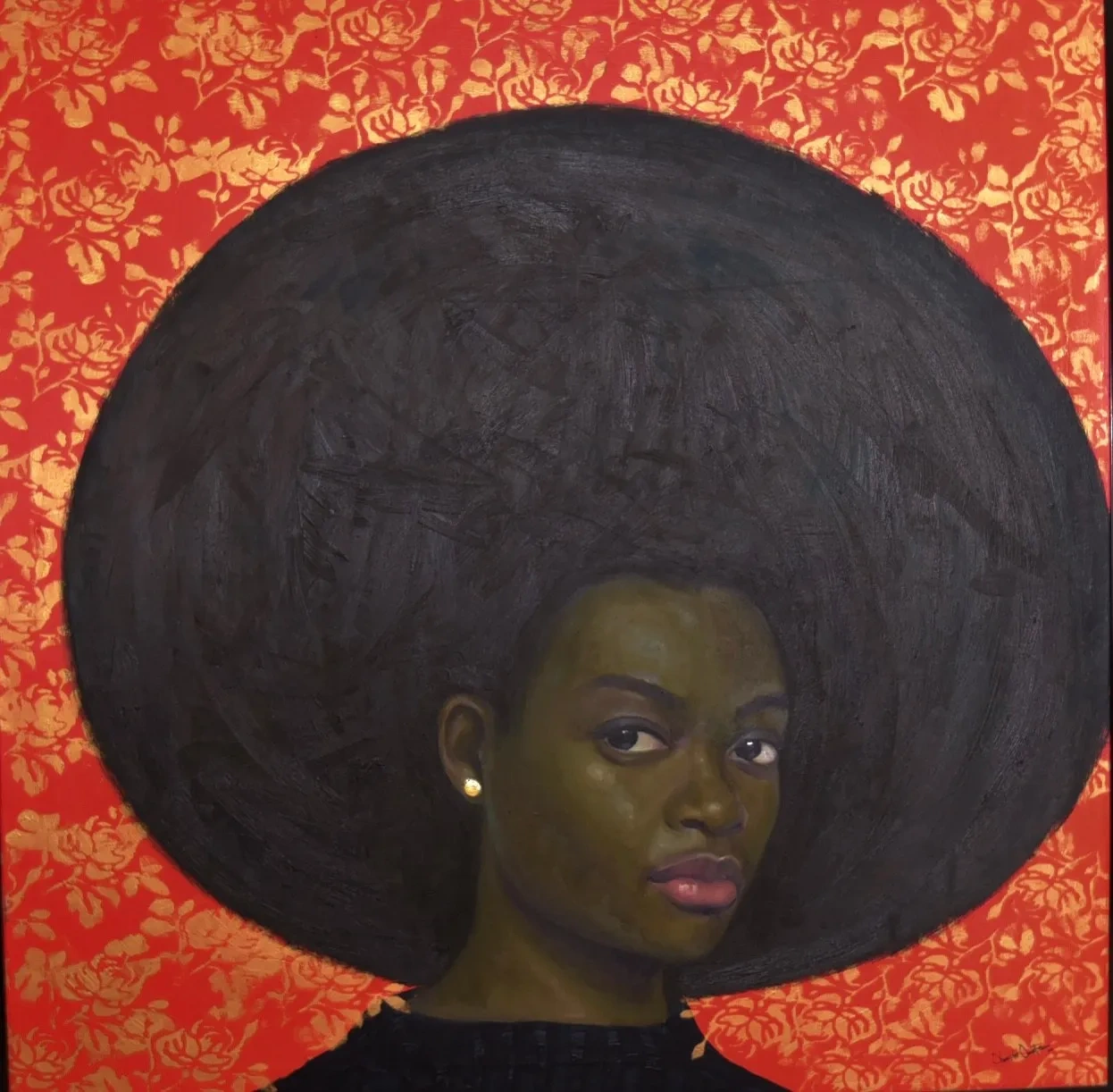
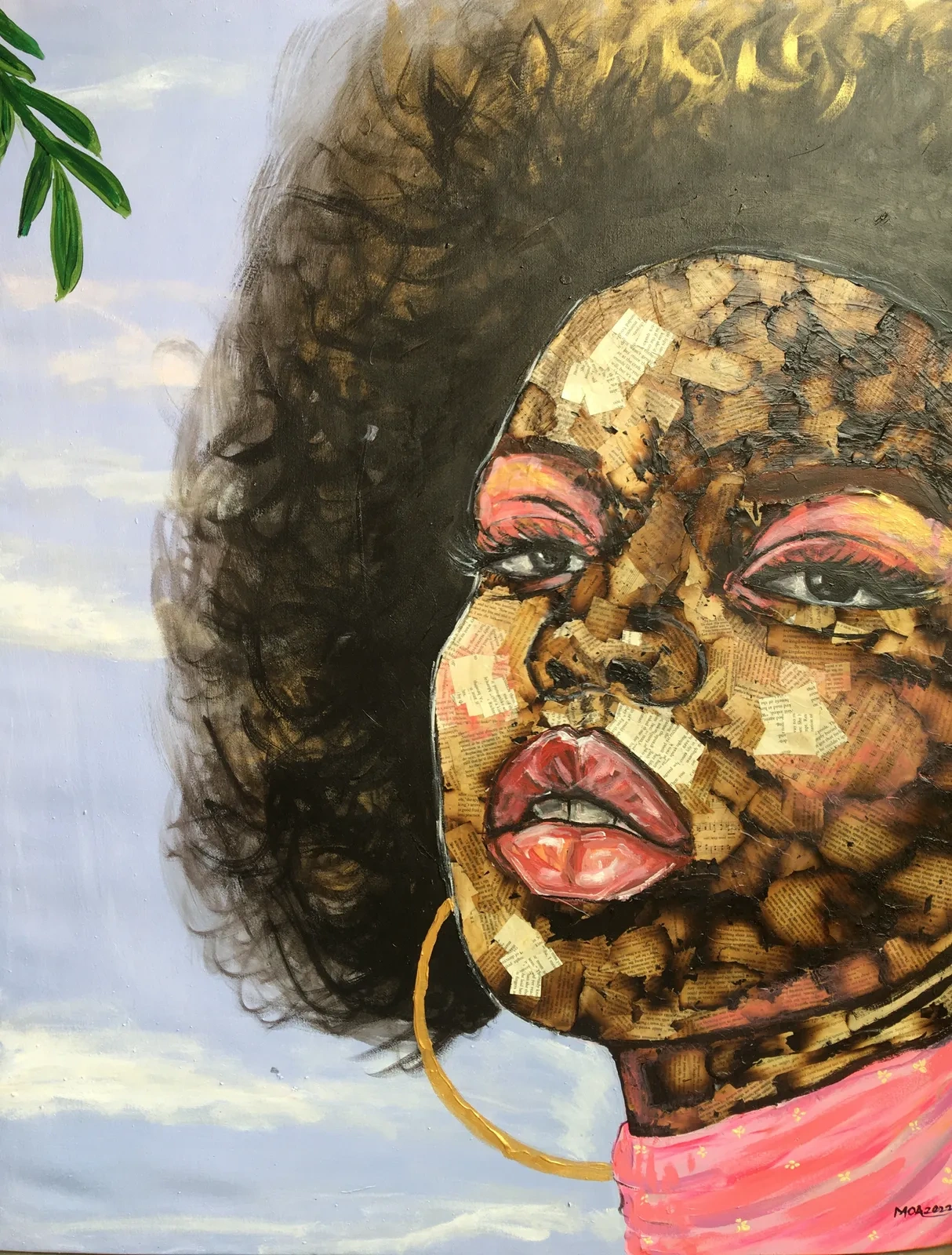
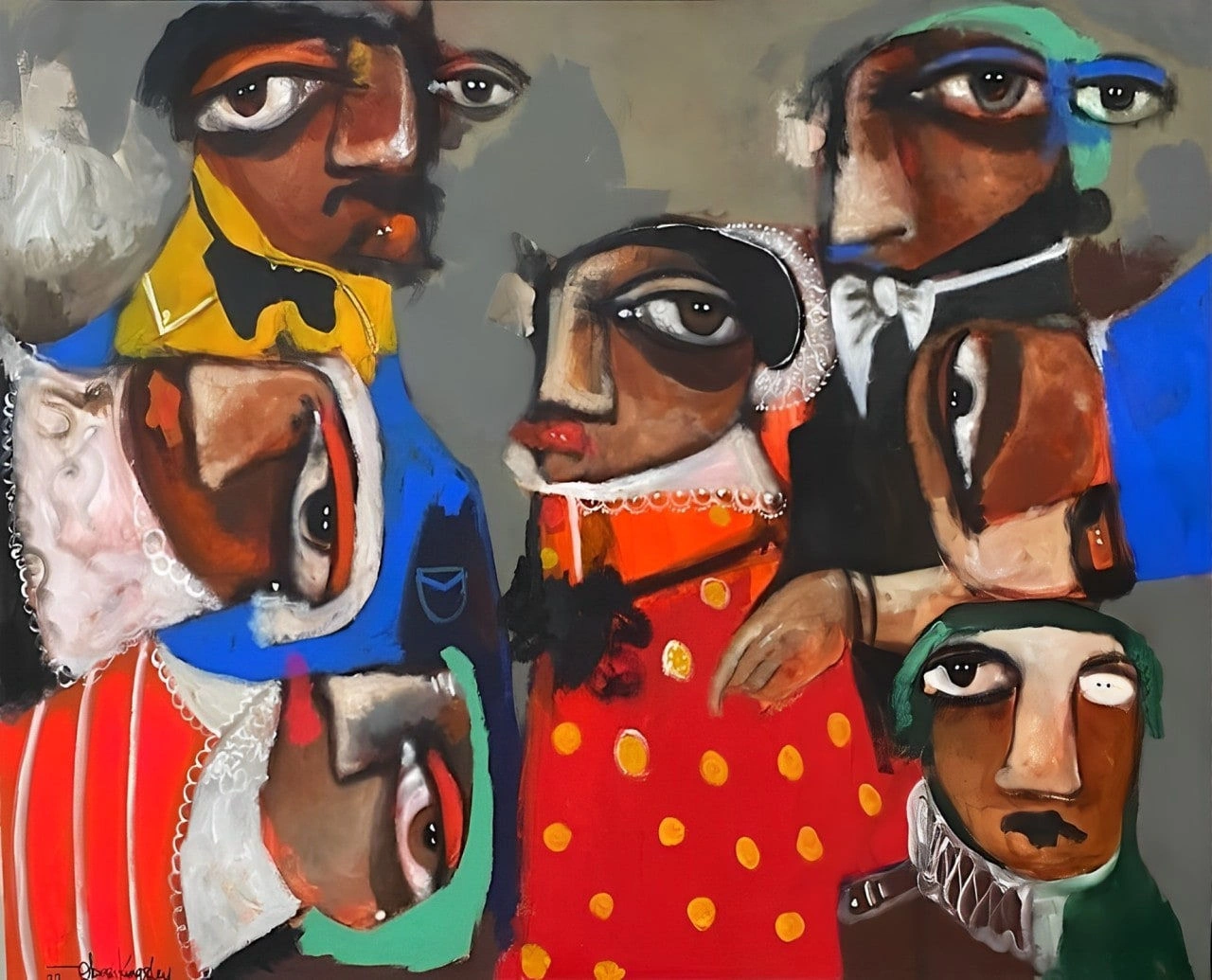
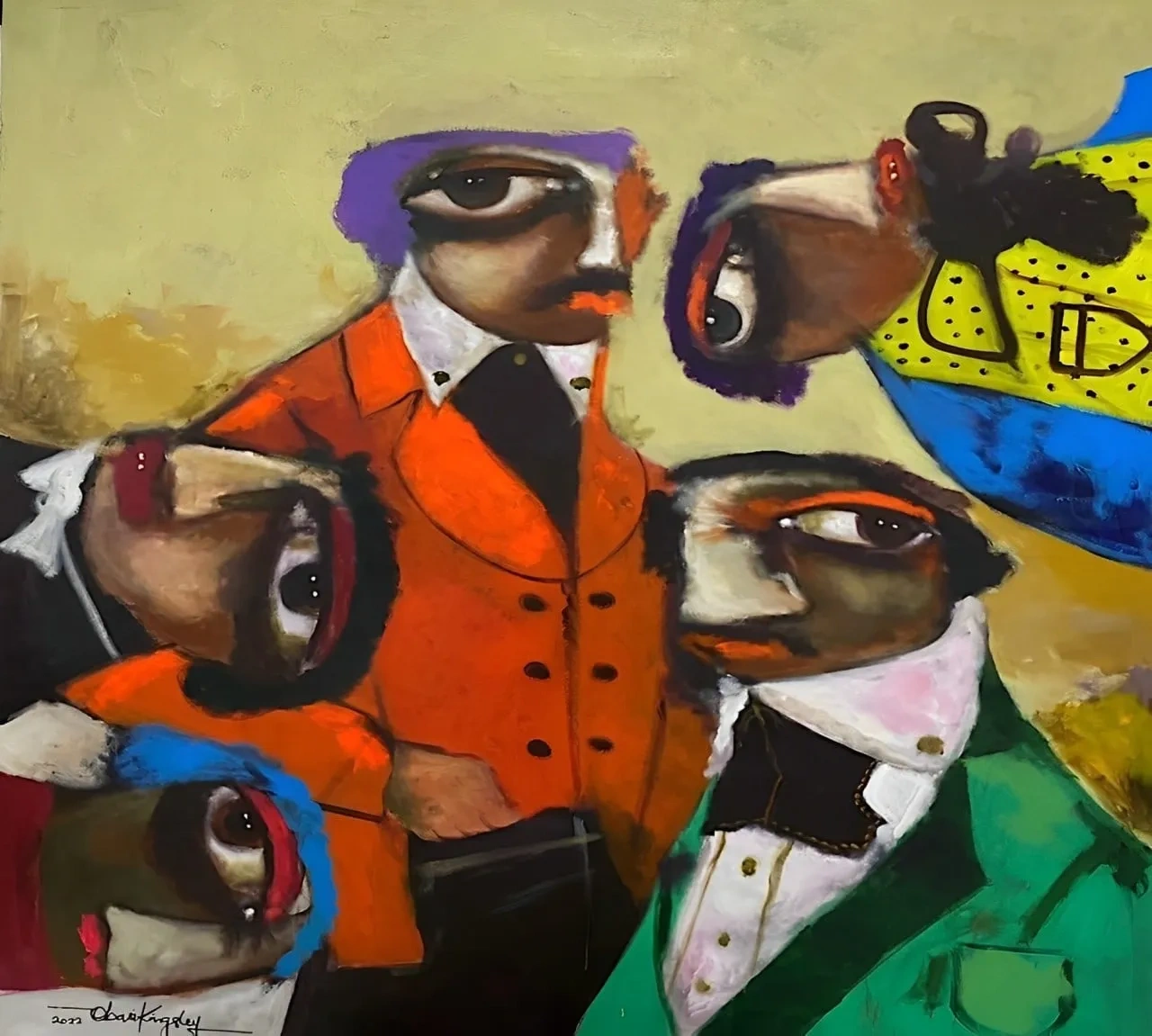
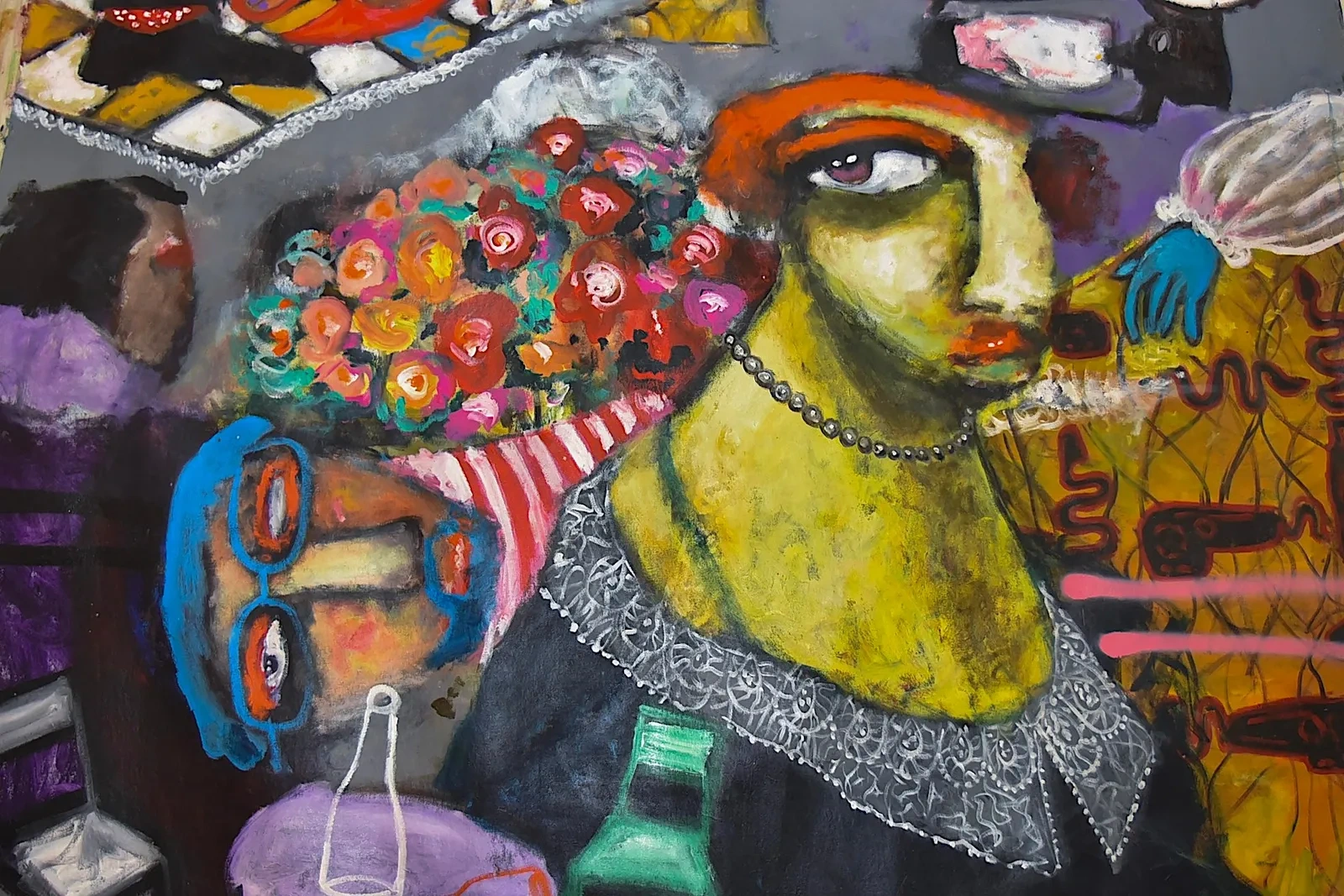
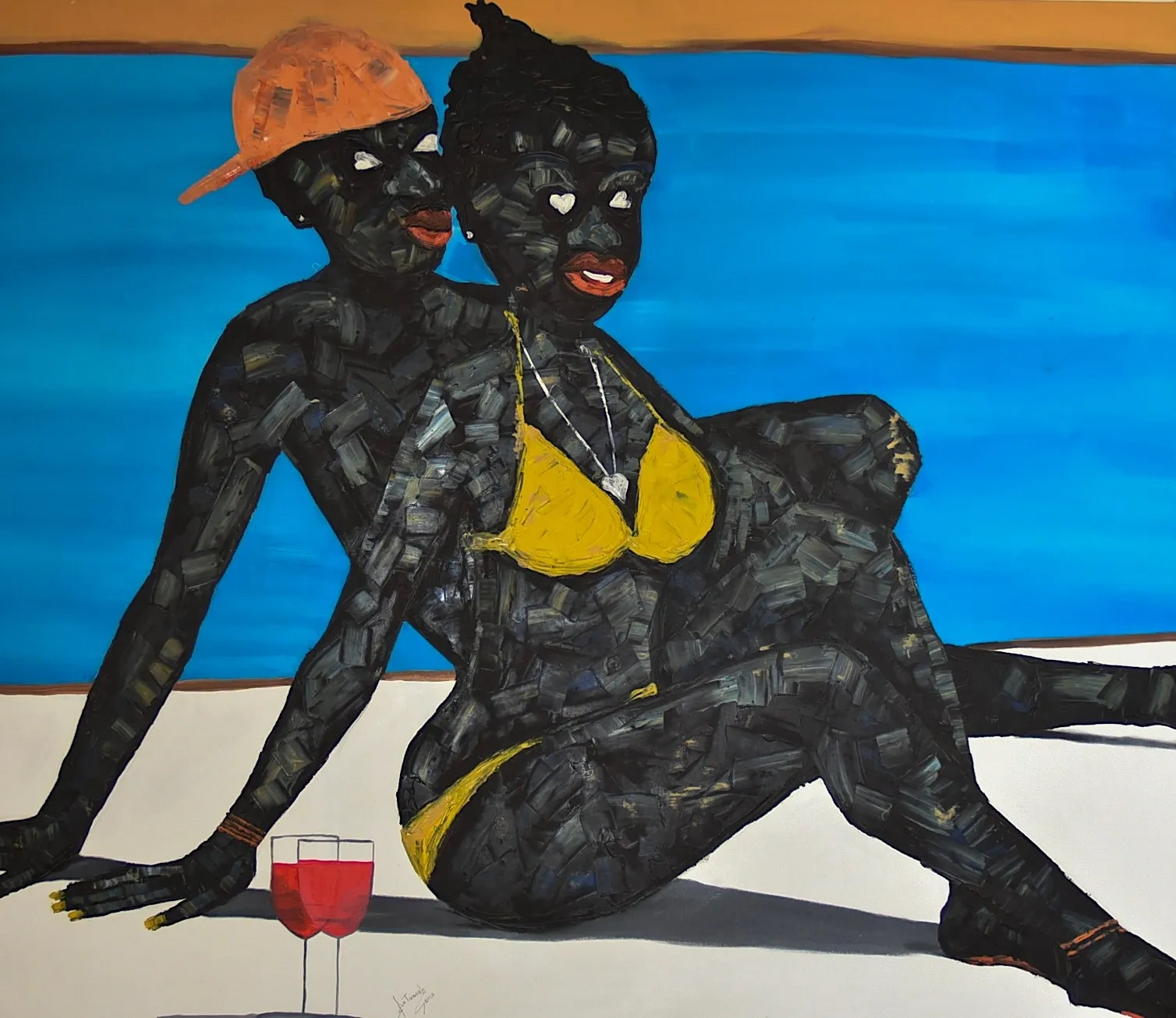
Group Show Showcasing Established And Emerging African Artists
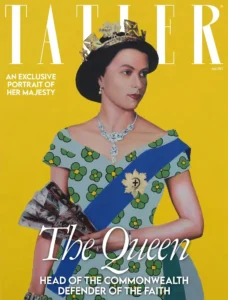
Tatler Magazine Cover, Portrait of Queen Elizabeth II by Oluwole Omofemi (Courtesy of Tatler MAgazine)
The Hadadi Fine Art is excited to present a groundbreaking exhibition showcasing the vibrant and diverse works of African artists. This curated collection brings together established and emerging talents, offering a unique opportunity to explore the rich tapestry of African art. For any questions about the show, please contact the gallery.
Please visit the following link to access the show:
hadadifineart.com/exhibitions/16-celebrating-african-artistry-a-showcase-of-established-and-celebrating-african-art/overview/
September 24, 2024
Oluwole Omofemi, born Godwin Oluwole Omofemi, is an international artist who hails from Edo south in Nigeria. He was born in the ancient city of Ibadan where his artistic talent sprang to life and received the nourishment of older artists. Omofemi shared his early life with his grandfather who was a major influence and wanted him to become an electrician. As a child, Omofemi loved to display his creativity through infantile drawings on the floor. He not only experienced a measure of hardship in his childhood, but also faced lonely spells. These further helped to deepen his artistic vision and provided sources of materials for his creativity. Nostalgically, Omofemi’s childhood experiences in the inner streets of Ibadan shaped his artist vision. However, he spent part of his childhood in Edo state of Nigeria, when his mother was estranged. She took him to Etsako, Agenebode – a fishing community in a coastal region. Here, he lived as a fishmonger. Omofemi’s mother, together with young Omofemi, later reunited with his grandfather. He later went to live with his paternal grandfather. In his early years, Omofemi was propelled to hawk beer; he used a part of his earnings to buy drawing books in order to kickstart his artistic career. He later acquired a wheelbarrow to facilitate his beer business. The hustle of the Ibadan metropolis, especially the popular Dugbe Market, were factors that imbued him with creative impulses and inspired his artistic imagination. He later met an artist, from whom he acquired some first-hand informal artistic skills. Omofemi was later recognized as one of the best artists at his Junior Secondary School – Community Grammar School, Mokola, Ibadan. Tope Fatunbi was the first professional artist who helped clear the path for Omofemi’s artistic career. His strength as an artist lies in showcasing human figures; and this is a skill he has steadily honed on the professional turf. His chosen media are oil and acrylic with preference for oil. Omofemi’s first exhibition was at the National Museum, Ibadan, Nigeria. He has since exhibited internationally. Omofemi’s mind continues to resonate with childhood experiences that proved material for his arts. He received his Higher National Diploma from the Polytechnic of Ibadan. Omofemi has always wanted to deploy art to better the lot of the underprivileged, to showcase African fashion and feminine charm, and to bring about the rediscovery of afrocentric pride. His works are widely collected in Nigeria and abroad.
Enquire